dd-cfDNA — The Alphabet Soup of Transplant Rejection Detection
- sdshinghal
- Feb 23, 2022
- 2 min read

Note: This is a republication of a blog post I wrote for Strand Life Sciences, published on 23/2/2022. The original can be found here.
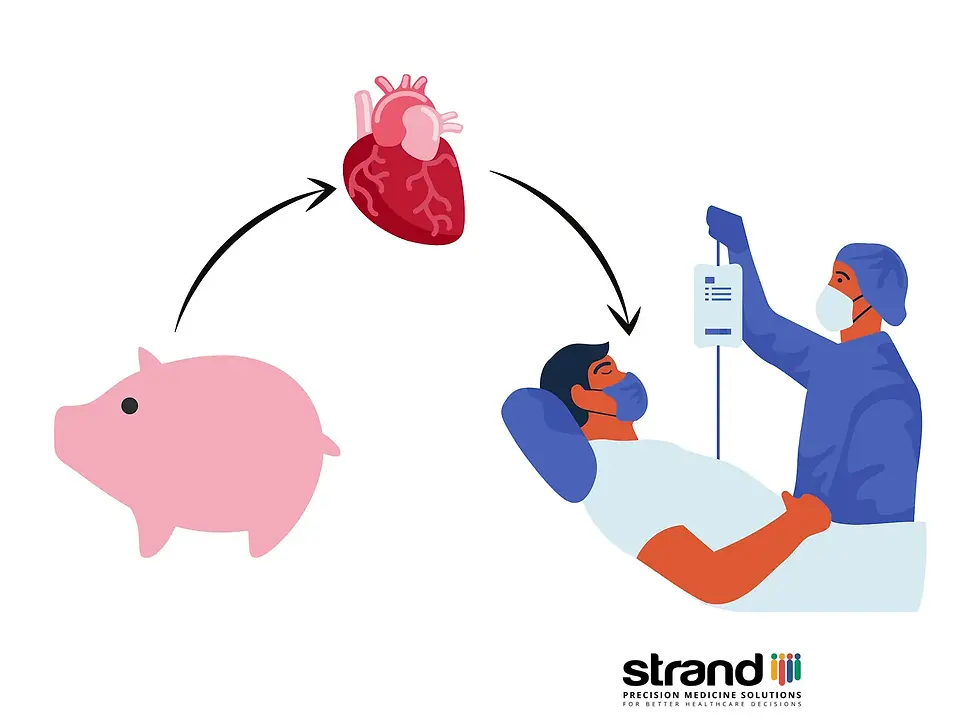
With the advent of the first successful xenotransplantation of a pig heart into a human, there has been a lot of buzz about the future of organ transplantation and the various ways in which we can measure the success of a transplant. One of the inherent risks associated with organ transplants (especially of larger organs) is rejection, due to an immune response by the body against the transplanted organ (Host vs Graft Disease) or an immune response by the transplanted organ against the body.

In the last few years, researchers have started exploring the use of donor-derived cell-free DNA in these transplants to monitor the success and health of a transplant patient. Cell-free DNA is DNA that exists within the body external of any cells (hence the name), typically due to the degradation of their original cells. While difficult to detect due to their extremely low count, these DNA particles can be used as a method of non-invasively screening and monitoring a patient’s progress and internal vitals for various means.
Given that cfDNA typically originates from cells that have undergone injury and degradation, they can be used to surveil the health of an allograft (same-species transplant) in a transplant patient. [1] By monitoring the levels of this cfDNA, also known as donor-derived cf-DNA (or dd-cfDNA) clinicians can determine whether the allograft is being rejected. While this research is in nascent stages it is a promising avenue of research, which when paired with other methods can mean faster and earlier detection of organ transplant.
Citations:
Further Reading:


Comments